
Massachusetts State Police DUI Sobriety Checkpoint
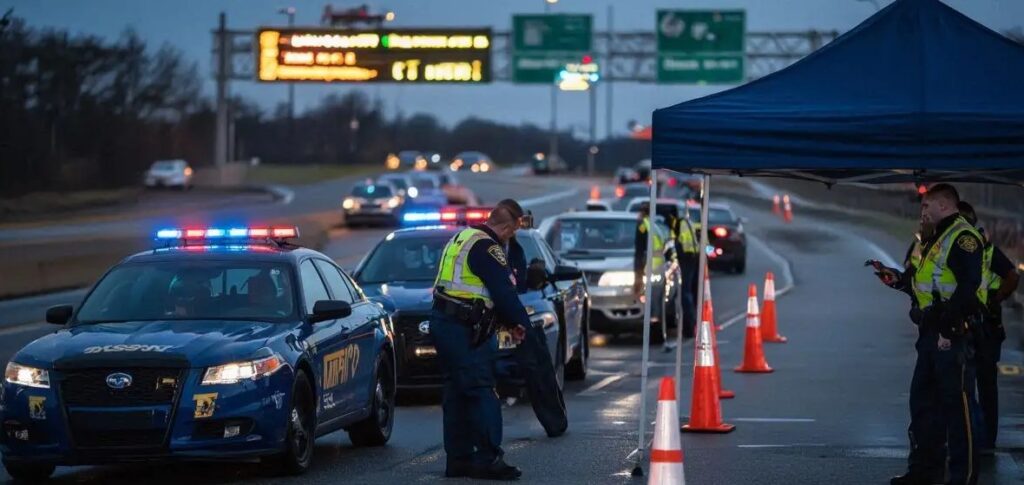
In order to reduce occurrences of impaired driving and to promote road safety, the Massachusetts State Police DUI sobriety checkpoint is essential. Numerous incidents involving intoxicated or drugged drivers occur each year, resulting in serious injuries and fatalities. The Massachusetts State Police DUI sobriety check point is positioned strategically throughout the state to identify and discourage intoxicated drivers in order to counteract this. In order to increase public awareness of the dangers of driving while intoxicated, these checkpoints are usually publicized beforehand. The Massachusetts State Police DUI sobriety checkpoint’s main objective is to deter people from drinking and driving entirely, not only to apprehend offenders. Authorities hope to promote safer roads and responsible driving among all drivers by means of this persistent enforcement operation.
How the DUI Sobriety Checkpoint at the Massachusetts State Police Operates
Officers randomly pull over cars at a massachusetts state police dui sobriety checkpoint to search for indicators of alcohol or impairment. To maintain justice, the procedure is methodical and adheres to both statutory and constitutional regulations. Officers may ask drivers basic questions and provide a breathalyzer or field sobriety test if they suspect intoxication. A visible deterrent to anyone who might otherwise risk driving under the influence is the Massachusetts State Police DUI sobriety checkpoint. The Massachusetts State Police DUI sobriety check point keeps the public informed and strengthens community confidence by upholding professionalism and transparency. Every checkpoint adheres to stringent protocols to safeguard the rights of residents and public safety, resulting in a well-rounded and successful law enforcement approach.
The Massachusetts State Police DUI Sobriety Checkpoint Legal Aspects
Under both state and federal law, the Massachusetts State Police DUI sobriety checkpoint is legally recognized. To be constitutional, these checkpoints must, however, abide by certain legislative requirements. Stops at the Massachusetts State Police DUI sobriety checkpoint must adhere to a neutral pattern, like every fifth car, and cannot unfairly select out individuals. Law-abiding drivers must also experience as little disruption as possible from officers. To promote openness and cooperation, public announcements are frequently posted before to the Massachusetts State Police DUI sobriety check point. Courts have repeatedly maintained that, when carried out correctly, these checkpoints are legal. The Massachusetts State Police DUI sobriety check point remains a successful weapon in the fight against drunk driving while upholding the rule of law by striking a balance between enforcement and individuals’ rights.
The Massachusetts State Police DUI Sobriety Checkpoint Effect on the Community
The safety and awareness of the community are greatly impacted by the Massachusetts State Police DUI sobriety checkpoint. Knowing that preventive measures are being taken to minimize accidents caused by intoxicated drivers frequently gives residents a sense of relief. Additionally, the Massachusetts State Police DUI sobriety check point encourages cooperation between local road safety organizations and police enforcement. These campaigns serve as a reminder of the harsh penalties associated with DUI crimes, which include steep fines, license suspensions, and perhaps jail time. Additionally, by focusing on responsibility and education, the Massachusetts State Police DUI sobriety check point contributes to a decrease in repeat offenses. A greater sense of security, safer streets, and fewer collisions all benefit communities. In the end, the checkpoints stand for the state’s adamant opposition to drunk driving and dedication to life preservation.
The Massachusetts State Police DUI Sobriety Checkpoint’s Prospects
With new tactics and technology, the Massachusetts State Police DUI sobriety checkpoint will keep developing in the future. Officers increasingly employ sophisticated testing equipment to detect drugs other than alcohol due to the increase in drug-related DUIs. Public safety campaigns continue to rely heavily on the Massachusetts State Police DUI sobriety checkpoint, particularly on weekends and holidays when DUI rates are likely to increase. The Massachusetts State Police DUI sobriety checkpoint is an effective deterrent because of its increased awareness and regular enforcement. In order to identify high-risk areas for upcoming roadblocks, authorities are also investigating data-driven methods. Massachusetts is one of the safest states for drivers because to the Massachusetts State Police DUI sobriety checkpoint’s continuous efforts. Its beneficial effects will be maintained for many years to come through ongoing innovation and community collaboration.
Conclusion
A strong and successful effort to protect the lives of drivers and pedestrians throughout the state is the Massachusetts State Police DUI sobriety checkpoint. The Massachusetts State Police DUI sobriety check point keeps people from making risky decisions while driving by integrating community involvement, education, and enforcement. In addition to apprehending criminals, these checkpoints educate the public about the serious repercussions of driving while intoxicated. Public safety is given priority while ensuring fairness through the Massachusetts State Police DUI sobriety check point’s adherence to the law, openness, and professionalism. The Massachusetts State Police DUI sobriety checkpoint will continue to play a critical role in lowering the number of DUI-related accidents and fatalities as tactics and technology advance. In the end, each Massachusetts State Police DUI sobriety check point symbolizes a community-law enforcement partnership to maintain everyone’s safety on Massachusetts roads.