
Lytx Trucker Face Scan Lawsuit Settlement
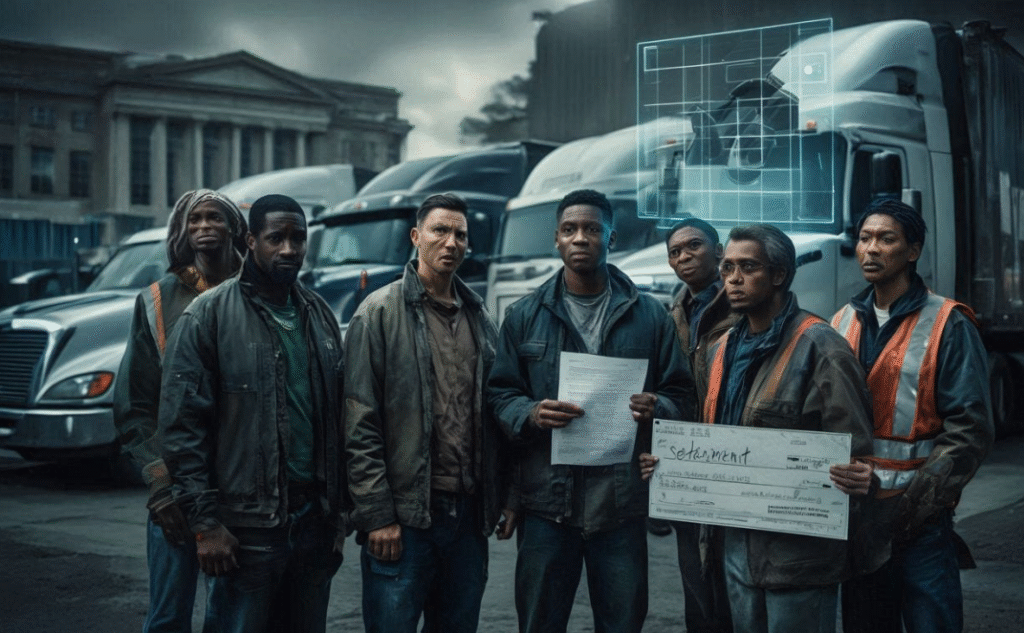
The issue surrounding the lytx trucker face scan lawsuit settlement has drawn national attention as drivers, legal experts, and privacy advocates question the growing use of biometric monitoring in commercial trucks. Many truckers argue that constant camera surveillance and face-scanning technology contribute to stress, mistrust, and potential misuse of sensitive data. The lytx trucker face scan lawsuit settlement reflects a broader concern about how companies collect, preserve and make use of private data obtained by sophisticated security measures. Drivers stress that such monitoring must go place with transparency and agreement, notwithstanding proponents’ claims that the technology enhances accident prevention. Discussions are still going on because many people think the settlement may have an impact on future laws, industry obligations, and rules governing how fleets and their workers interact in the digital era..
Driver Concerns Linked to the Lytx Trucker Face Scan Lawsuit Settlement
A major part of the lytx trucker face scan lawsuit settlement discussion centers on truckers’ concerns about privacy violations and data handling. Cameras that track facial features, alertness, and emotional indications have caused discomfort for many drivers, who claim these systems were put without adequate justification or authorization. The settlement brings to light recurring allegations that drivers were unaware of the collection or storage of sensitive biometric data. Many people believe that the problem extends beyond cameras and touches on issues of human dignity and workplace respect. The lytx trucker face scan lawsuit settlement has encouraged other drivers nationwide to review their own fleet policies, pushing companies to re-evaluate how monitoring tools are implemented and whether adequate legal protections were in place for those recorded.
How Technology Sparked the Lytx Trucker Face Scan Lawsuit Settlement
The rise of AI-driven monitoring technology played a significant role in shaping the lytx trucker face scan lawsuit settlement, as transportation firms made significant investments in accident-prevention safety measures. In an effort to increase driver awareness, these instruments monitor head orientations, facial expressions, blinking patterns, and indications of distraction. Although theoretically advantageous, a number of truckers contended that the usage of their biometric data lacked complete transparency. Whether this data was shared with outside parties or stored securely became a source of concern. As more navies began using these instruments, the lytx trucker face scan lawsuit settlement gained momentum as drivers sought accountability, responsible data management, and clearer guidelines on how advanced monitoring systems should respect personal privacy within professional environments.
Industry Response and Evolving Fleet Policies
Businesses have been prompted by the settlement to review internal procedures and guarantee complete adherence to privacy laws. In order to help drivers understand what data is gathered and how it will be utilized, fleets nationwide are currently investigating clearer communication strategies. To avoid disagreements like the ones in the settlement of the Lytx trucker face scan lawsuit, many businesses are now reviewing their consent processes. Enhancing data security, restricting access to biometric details, and giving drivers greater control over their data are among the topics being discussed. Leaders in the sector understand that upholding trust is crucial to efficient operations, and adopting ethical monitoring procedures is quickly becoming a top concern. A more respectful balance between safety objectives and drivers’ individual rights might result from these modifications.
Lytx Trucker Face Scan Lawsuit Settlement: Legal and Ethical Questions Raised by the Case
The legal challenges connected to the lytx trucker face scan lawsuit settlement brought forward important questions about biometric laws, worker protection and employer accountability. Lawyers pointed out that although many states demand express agreement before collecting biometric information, many drivers were not aware of the usage of their facial scans. Because biometric identifiers are so sensitive, they need more protection than standard data, according to privacy activists. Courts acknowledged that abuse might have long-term repercussions for drivers and treated these worries seriously. As the settlement came to an end, lawmakers and compliance officials began discussing the need for more stringent regulatory frameworks. Many people think the case should serve as a caution to businesses that handle biometric data without transparent, well-defined standards.
Impact of the Settlement on Future Technology Use
The broader impact of the settlement shows that companies must balance innovation with privacy protection. While AI and face-scan systems help reduce distracted driving, fleets now face pressure to implement them ethically and legally. The lytx trucker face scan lawsuit settlement demonstrated that technology cannot be deployed without considering the rights and comfort of drivers. Moving forward, companies may adopt opt-in systems, enhanced training, or alternative monitoring tools that do not rely heavily on biometric recognition. The case also encourages ongoing conversation about how technology should evolve in a way that supports safety while respecting personal boundaries. Many experts predict that future developments will focus on transparency, consent, and secure handling of all collected data.
Conclusion
The lytx trucker face scan lawsuit settlement technology has reshaped how the industry views driver privacy and biometric monitoring. It is a crucial reminder that advancements in technology must always be accompanied by moral accountability and candid dialogue. Truckers should have complete control over the use of their information, secure data practices, and unambiguous explanations. The trucking industry might shift toward a more considerate, open, and equitable approach to safety technology as businesses modify their rules in response to this case.