
Heritage Transmission Through Education Azores
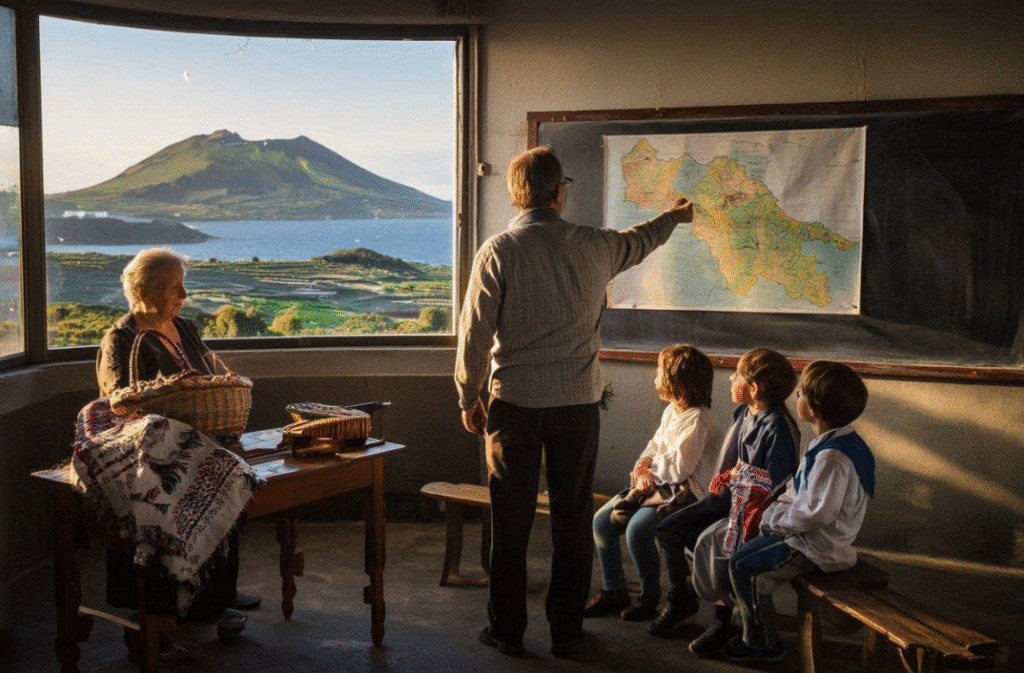
Heritage transmission through education Azores is becoming an essential part of cultural preservation, especially as the islands experience modernization and global exposure. The Azores hold a unique identity shaped by centuries of tradition, maritime life, and community values. Through educational programs, these elements can be protected and passed on to younger generations. Schools, cultural centers, and local communities now work together to integrate history, folklore, and artisanal skills into learning activities. This ensures students understand the roots of their identity while also preparing for future opportunities. As heritage transmission through education Azores gains more attention, it strengthens community pride and safeguards traditions that might otherwise fade with time.
Role of Schools in Heritage Transmission Through Education Azores
Schools are the foundation of heritage transmission through education Azores because they provide structured environments where cultural knowledge can be taught consistently. Teachers introduce students to local legends, music, architecture, and historic events that shape the region’s character. Outdoor learning programs, such as visits to museums or volcanic landscapes, give students firsthand experiences of their heritage. Language preservation is another essential focus, especially when teaching regional expressions or traditional storytelling styles. By integrating cultural education with academic subjects, schools help students form a deeper understanding of their community. This method ensures that heritage transmission through education Azores remains systematic, meaningful, and relevant to younger generations.
Community Participation and Cultural Activities
Community involvement plays a vital role in preserving traditions for future generations. Families, artisans, and cultural associations organize workshops that teach skills such as pottery, weaving, folk music, and traditional dance. These community-led activities complement classroom learning and allow students to practice what they study. Elders, in particular, offer valuable insights by sharing personal stories and experiences from earlier times. Festivals and local events further enhance educational impact by creating real-life immersion. Through these interactions, students gain respect for their heritage and understand the importance of maintaining it. This collaborative approach builds stronger cultural awareness and a sense of unity among the people of the Azores.
Integrating Modern Technology With Cultural Preservation
Modern technology has become a powerful tool in expanding the reach of heritage education. Digital archives, virtual museum tours, and interactive history apps help make learning more engaging and accessible. Students can explore historical documents, traditional songs, and iconic landmarks with just a few clicks. Technology also helps teachers create dynamic lessons that mix visuals, audio, and storytelling. This combination not only strengthens comprehension but also keeps students motivated. By blending the old with the new, schools ensure cultural knowledge remains relevant. Technology therefore supports long-term preservation efforts and encourages the younger generation to value their traditions in a digital era.
Benefits of Heritage Transmission Through Education Azores for Youth
The process of heritage transmission through education Azores helps young people develop a strong sense of belonging. When students learn about their ancestors, local customs, and cultural achievements, they build confidence and identity. These lessons also teach respect, empathy, and appreciation for diversity. Another key benefit is the development of practical skills through hands-on activities, such as craftmaking or performing traditional music. These experiences inspire creativity and often create opportunities for cultural tourism or community projects. As heritage transmission through education Azores continues to expand, it helps young people understand their role in society and encourages them to protect cultural values for future generations.
Challenges in Maintaining Cultural Education
Despite its importance, cultural education in the Azores faces several challenges. Modern lifestyles, migration, and globalization reduce the time families spend passing down traditions. Schools may also lack resources or trained educators specializing in cultural subjects. Additionally, younger generations may feel less connected to heritage when influenced by global trends and digital entertainment. To overcome these challenges, continuous collaboration between schools, government institutions, and communities is essential. Funding cultural programs, training teachers, and developing modern learning materials can help strengthen preservation efforts. By addressing these obstacles, the Azores can ensure cultural education remains effective and sustainable for decades to come.
Conclusion
The future of heritage transmission through education Azores depends on collective dedication, innovative teaching methods, and youth engagement. When communities and schools work together, cultural traditions become a living part of everyday life rather than distant memories. By integrating technology, practical workshops, and storytelling into learning, the Azores protect their identity while embracing progress. Continued support from educators, families, and policymakers will ensure that heritage transmission through education Azores remains strong. With consistent effort, the islands will preserve their traditions, strengthen community pride, and pass on their cultural richness to future generations. This commitment will keep Azorean heritage alive and vibrant for many years.